Sparking a Scientific Society
Hartwick’s Unique Approach to the STEM Disciplines
For decades, many colleges and universities have structured science, technology, engineering and math (STEM) education in ways that emphasize identifying and advancing top performers, often leaving less room for students who need time, support or different approaches to succeed.
In recent years, substantial research has questioned that approach, citing a host of concerns about the hypercompetitive environment it creates. Such me-first mindsets can infiltrate graduate programs, medical schools, healthcare organizations and countless areas of research, with results that include poorer quality research, negative impacts on female and minority students, and mental health struggles among students and professionals of all ages.
At Hartwick, however, the STEM fields are more than just majors. They are a community — an intentional and inclusive approach that dates back decades.
“The reason I came back is that I really like how Hartwick has always approached teaching science,” said Associate Professor of Biology Stephanie Carr ’06, a member of her alma mater’s faculty since 2017.
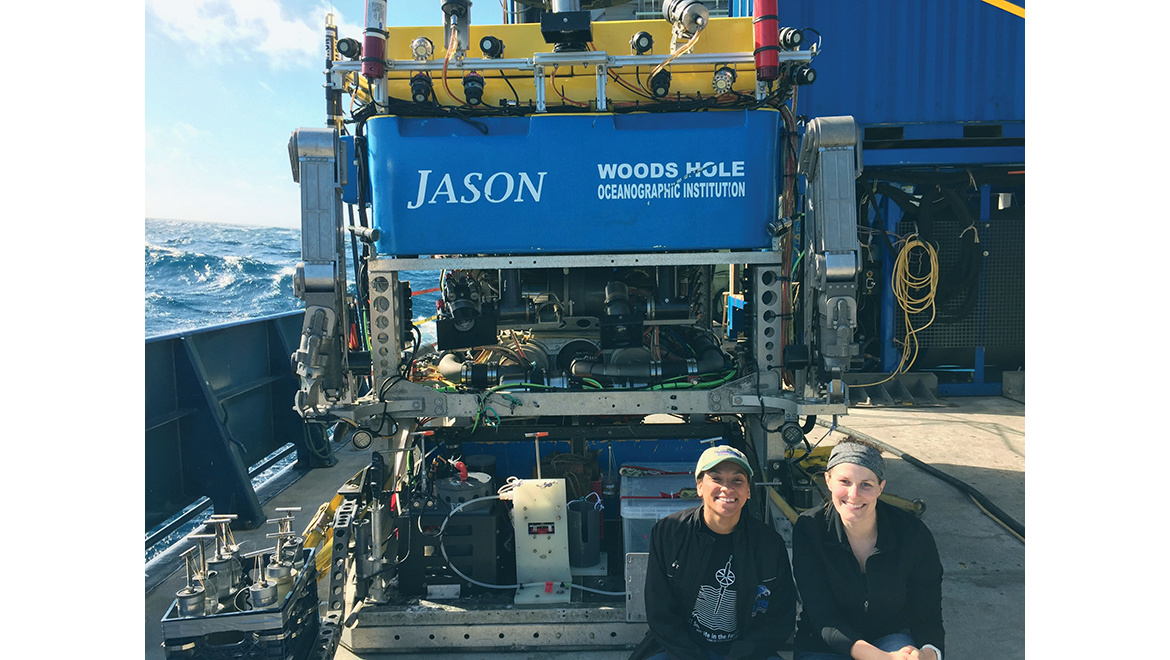
An environmental microbiologist who specializes in studying microbes in the oceanic crust and other sub-surfaces, Carr fosters a collaborative approach in her lab, so students feel like they are part of a team — and they don’t have to succeed at the expense of anyone else.
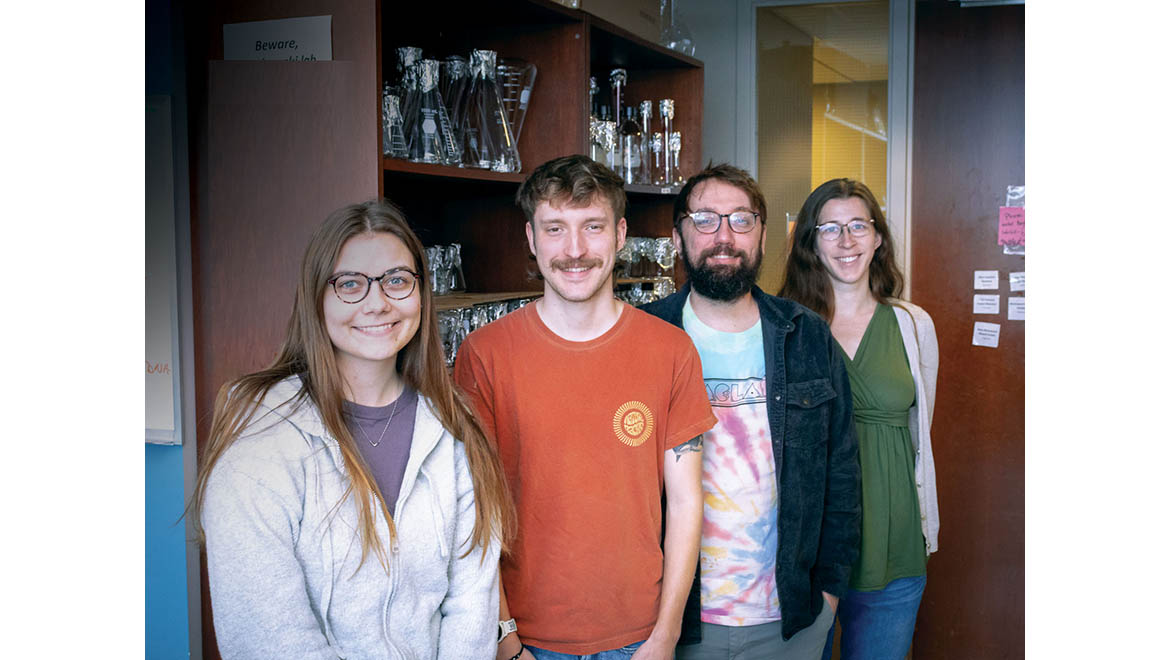
“Belonging is so important to students’ mental health,” she explained. “My students get their own shelf with their own name on it, so they know they have a true place here. I started this approach on ‘day one,’ and lo and behold, there’s a lot of research that supports it.”
Indeed, dozens of studies have been published from the world’s top research entities on overly competitive environments within STEM fields. Their conclusions point to declining success rates among research grants and a rise in ambition and envy among academics — concepts that make for great plot lines in dramatic Hollywood blockbusters or comedic “Big Bang Theory” episodes. But in reality, that’s not what Carr and her colleagues have seen is in the students’ best interests. Instead, it’s teamwork.
“My dream team lab is having lots of students working together for multiple years — but each would have their own projects,” she said.
GOING FARTHER TOGETHER
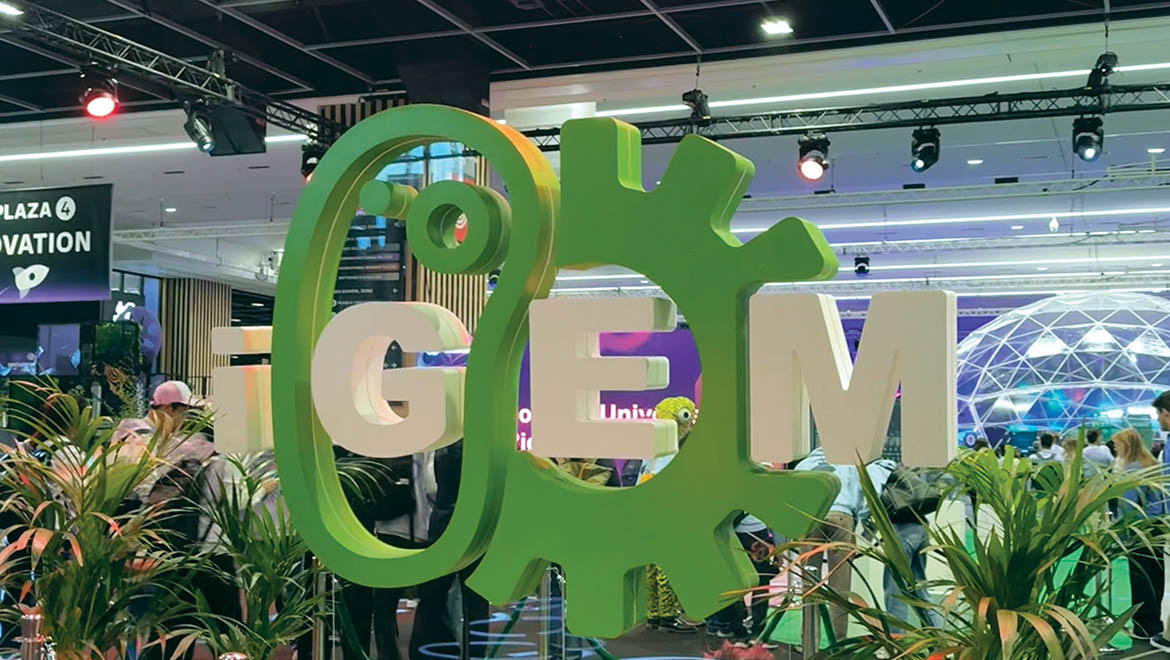
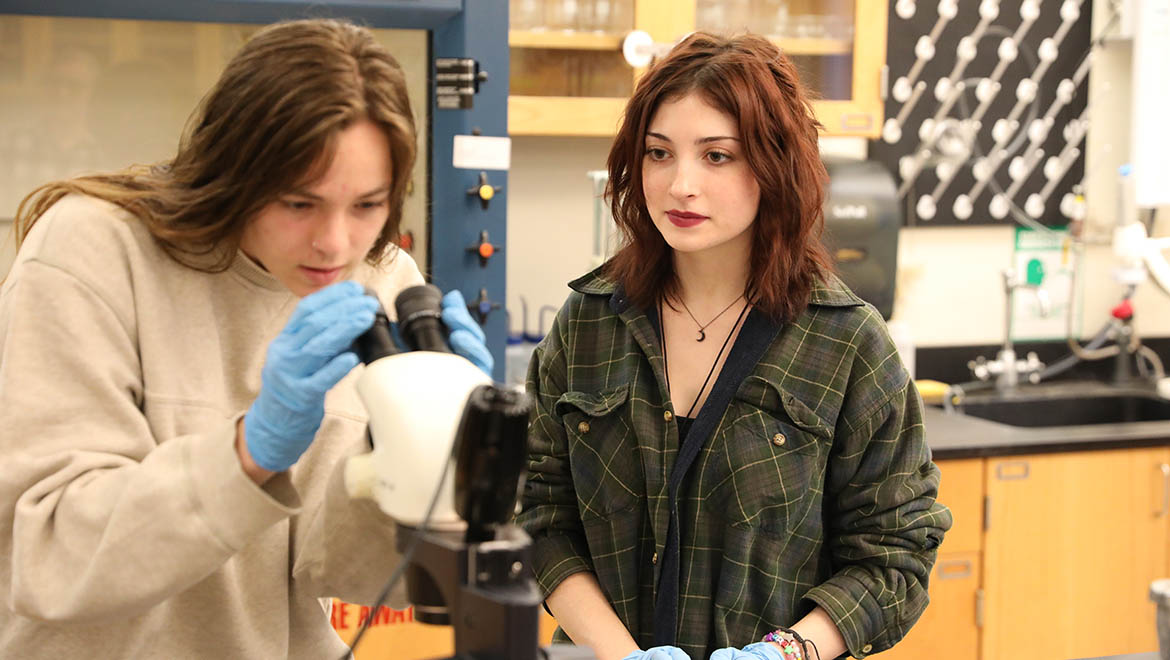
Chemistry Professor and Department Chair Andy Piefer recently took that concept a step further. He and colleagues Eric Cooper and John Dudek lead a team of students in the global iGEM (Internationally Genetic Engineered Machines) competition – in partnership with faculty and students from neighboring SUNY Oneonta. Together, they used synthetic biology to create a genetic device, investigate a legitimate real-world environmental concern, and gain international recognition in the process.
“Following the passage of the CHIPS Act in 2022, New York State began creating these semiconductor fabrication plants,” said Piefer. “They use a prodigious amount of water, so our team decided to look at what’s in the water when it flows out.”
Their research revealed levels of toxicity from the metals used in their manufacturing. Manufacturers typically remove that waste and transport it elsewhere, but the iGEM team realized there might be another way to address the problem.
“We looked at their waste stream for levels of acidity (pH) and built a bacterium that could sense a pH level and then neutralize it,” he added.
The team did so by using a “ribo-switch,” ribonucleotide (RNA) sensors that respond to various things through ion-binding. The science behind it is similar to that which was used in developing COVID-19 vaccines during the pandemic.
“DNA makes up the genes and genomes of organisms,” Piefer explained. “It’s long-lasting and stable. RNA is not. It falls apart easily — but it’s reactive, so it can be used as an intermediary. A ribozyme has the ability to sense something and then control the DNA — the hard drive of the organism.”
The students conducted their research during the spring of 2024. That fall — in part, thanks to generous donor support — they traveled to Paris, France, where they presented their findings at the annual iGEM Jamboree. Competing with 9,268 participants from 41 countries, they shared their work through wikis, videos and presentations with a panel of judges. Together, the Hartwick-SUNY Oneonta team returned with a gold medal, one of just 210 awarded that year.
“We were able to combine our campuses’ resources and capitalize on each other’s strengths,” Piefer said. “It was an incredible experience for us all — but for our students, it’s a tremendous résumé builder, in addition to the memories they’ll take with them.”
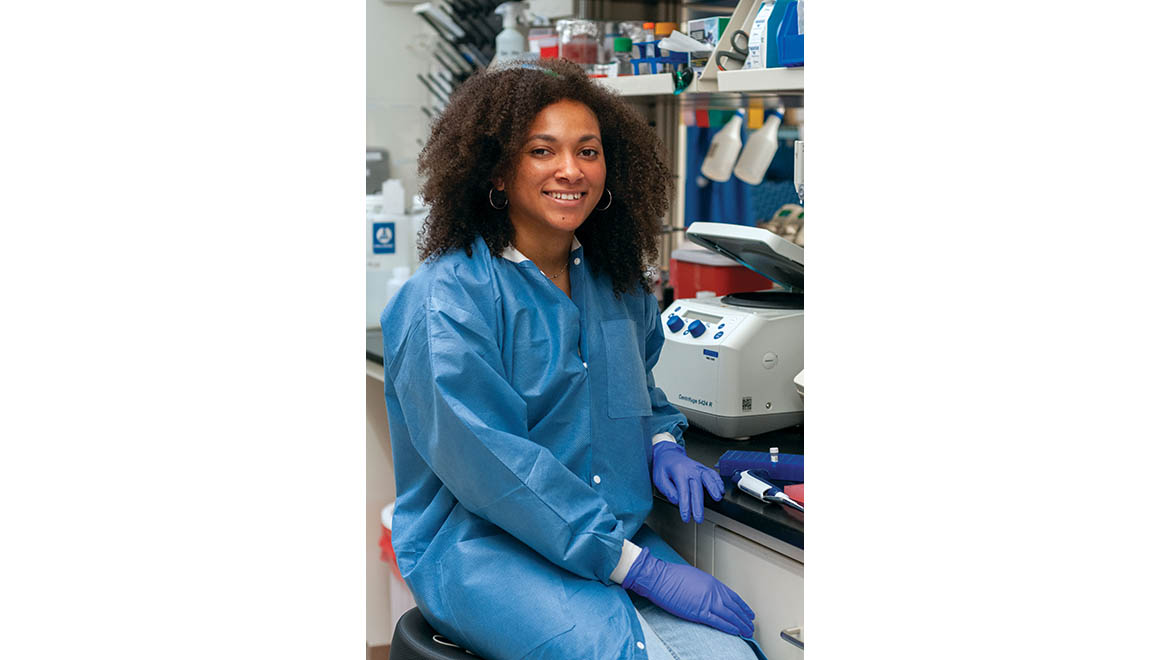
That has certainly been the case for Makenna Ventuleth ’27, a member of the 2024 team who will compete again in 2026.
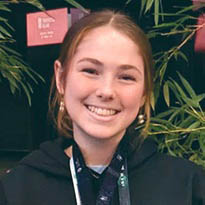
“The lab skills alone have already been helpful, and the knowledge I’ve received in synthetic biology is amazing.”
Makenna Ventuleth ’27
Biochemistry Major & Hartwick iGEM team member